Think installing a ceiling fan is a breeze? Not quite. Small mistakes can lead to wobbly blades, loud vibrations, or even safety hazards. Whether you’re tackling a DIY project or managing a new build, it pays to get it right the first time.
Ceiling fans are one of the most efficient ways to boost comfort, reduce energy bills, and add personality to a room. But mounting one incorrectly? That’s a different story.
Here are five common ceiling fan installation errors—and how to steer clear of them.
Mistake #1: Using the Wrong Electrical Box
Why it matters
A ceiling fan isn’t just a light fixture—it moves, vibrates, and weighs more than it looks. A basic electrical box isn’t designed to handle that kind of load. Using one can result in mounting failure, motor strain, or even a ceiling collapse.
What to do instead
-
Choose a UL-listed electrical box clearly marked “suitable for ceiling fan support.”
-
For retrofit jobs, use a brace kit that anchors firmly between ceiling joists.
-
Never hang a ceiling fan from a plastic or lightweight box—even if it looks sturdy.
Mistake #2: Mounting the Fan at the Wrong Height
Why it matters
Hang it too low, and you risk accidents. Too high, and it won't move air effectively. Placement errors can cause uneven airflow, reduce efficiency, and stress the motor over time.
What to do instead
-
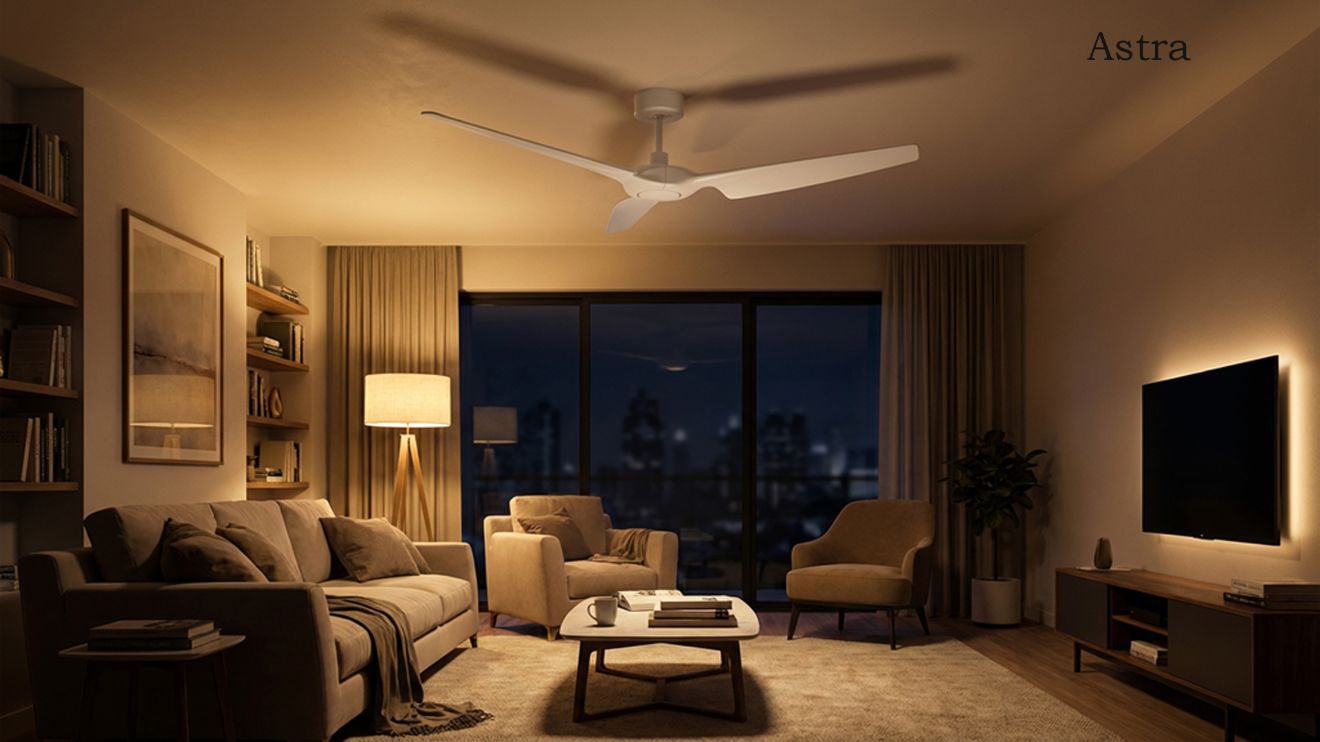
Stick to the 7- to 9-foot rule: blades should be at least 7 feet off the floor and 18 inches from any wall.
-
Use a downrod for high ceilings to bring the fan closer to your living space.
-
For lower ceilings, choose a flush-mount (hugger) fan to stay code-compliant and safe.
-
Contractors should always double-check local clearance codes.
Not sure what fan fits your ceiling height? Our ceiling fan size guide can help.
Mistake #3: Poor Blade Alignment or Balancing
Why it matters
A fan that shakes, rattles, or hums usually has misaligned blades. Even a slight variation can throw off the balance, creating noise, reducing efficiency, and wearing down the motor faster than it should.
What to do instead
-
Use a blade balancing kit (usually included with your fan) to correct uneven spin.
-
Measure blade height from the ceiling to ensure consistent spacing.
-
Tighten all blade screws and brackets before powering on the fan.
-
Still noticing wobble? Check for warped blades or uneven mounting brackets.
Mistake #4: Ignoring Room and Fan Size Compatibility
Why it matters
Too much fan in a small room creates turbulence—not comfort. Too little fan in a large space, and you’ll barely feel a breeze. Matching the wrong fan size to the room can also wear out the motor prematurely.
What to do instead
-
Measure your space. As a rule of thumb:
-
Rooms up to 75 sq. ft. = 29–36” fan
-
76–144 sq. ft. = 36–42”
-
144–225 sq. ft. = 44”
-
225–400 sq. ft. = 50–54”
-
Over 400 sq. ft. = 60” or larger fan
-
Use multiple fans for oversized rooms or open-concept layouts.
-
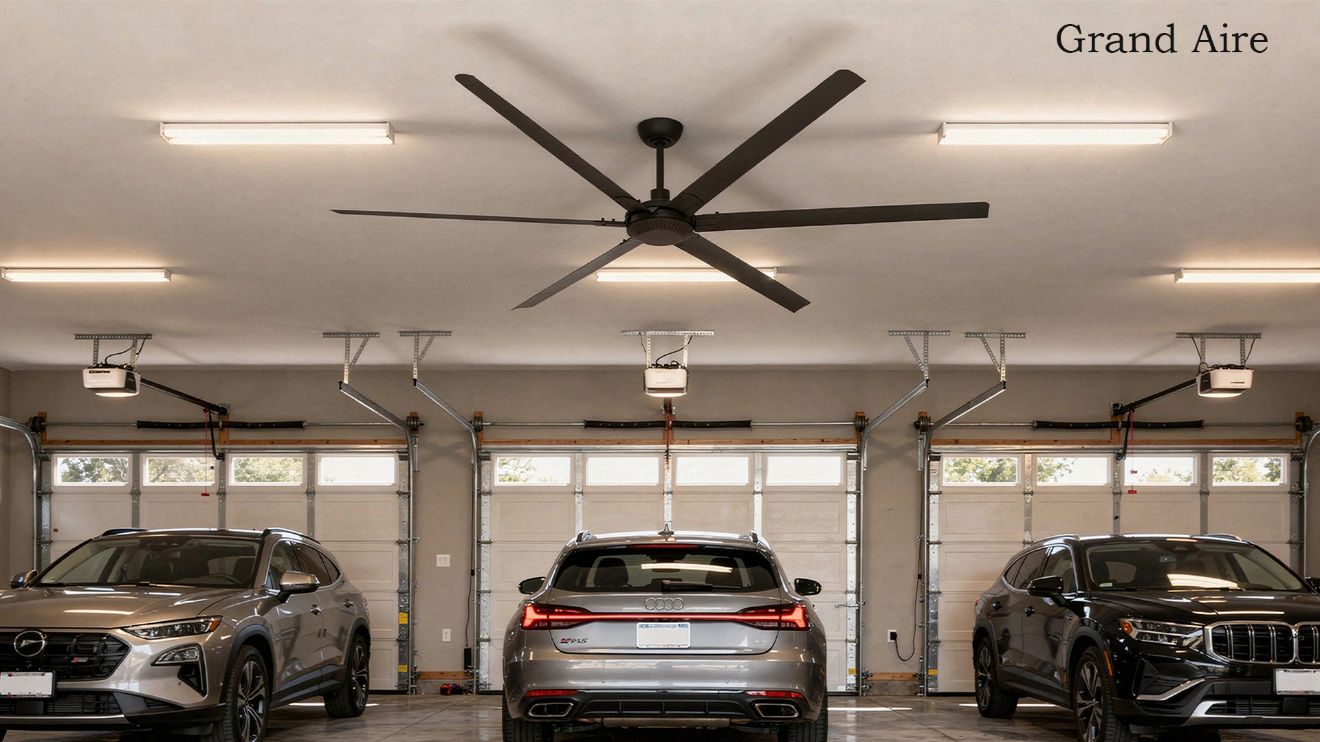
Consider airflow needs, not just dimensions—covered patios and garages may need higher CFM (cubic feet per minute) ratings.
Mistake #5: Skipping the Instructions or Going Rogue
Why it matters
Even experienced DIYers get tripped up by model-specific quirks. Skipping steps—or assuming you know better—can lead to missed wiring connections, faulty mounts, overlooked safety checks, and even damage to the fan itself. A common mistake we see is wiring a DC motor fan directly to AC power, which can seriously harm the motor.
What to do instead
-
Read the full installation guide before unpacking the parts.
-
Follow the brand-specific wiring and mounting diagrams carefully.
-
Don’t mix parts from other fan models—they may not be compatible.
-
When in doubt, call in a licensed electrician or reach out to the Dan’s Fan City store where you purchased the fan.
Troubleshooting and Installation Help - FAQS
Can you hang a ceiling fan without a box?
No, you should never hang a ceiling fan without a proper electrical box. Ceiling fans are heavier than light fixtures and generate movement while operating. A standard electrical box designed for a light fixture won’t support the fan’s weight or vibration, which creates a real risk of the fan coming loose or falling.
To safely install a ceiling fan, you need a UL-listed fan-rated electrical box—either mounted directly to a ceiling joist or supported by a brace bar between joists. These boxes are specifically designed to hold the added load and motion of a ceiling fan.
Can I install a ceiling fan where a light fixture used to be?
Yes, but only if the electrical box is rated to support a fan. A standard light fixture box isn’t strong enough. If you're unsure, check out our ceiling fan installation guide for what to look for, or contact us for help.
Why is my ceiling fan shaking?
Wobbling fans usually mean there's an issue with balance or alignment. Check that all blades are the same distance from the ceiling and that screws are tight. Use a balancing kit if needed. For more details, see our tips on how to balance a ceiling fan.
Do ceiling fans need to be grounded?
Yes. Grounding your ceiling fan is an essential safety step. It helps prevent electrical faults and reduces shock risk. If you're not sure your wiring is up to code, bring in a licensed electrician or reach out to us for advice.
What’s the correct height to mount a ceiling fan?
Fan blades should be at least 7 feet above the floor and 18 inches from walls. For taller ceilings, use a downrod. Low ceilings call for a flush mount. Our fan size guide includes ceiling fan height requirements and more.
Can I add a ceiling fan to my smart home system?
Yes. Many models from Dan’s Fan City are Wi-Fi–enabled and compatible with popular smart home platforms. Learn more in our guide to adding a ceiling fan to your smart home.
Should I hire an electrician to install a ceiling fan?
If your install requires new wiring, mounting into plaster or high ceilings, or if you're just not confident with electrical work, hiring a pro is the safest bet. That said, if you're comfortable and the wiring is in place, many fans can be DIY-installed with some patience and the right tools.
Ready to Install Your Ceiling Fan with Confidence?
Installing a ceiling fan the right way doesn’t just improve airflow—it also keeps your home safer, your space quieter, and your fan running longer. Avoiding simple mistakes like improper mounting, poor blade alignment, or the wrong box can make a big difference in performance and longevity.
If you're unsure about a step, want help choosing the right model, or just want a second opinion, the team at Dan’s Fan City is ready to help. Visit one of our locations, explore our wide selection of ceiling fans, or contact us directly for personalized advice. Whether you're a seasoned builder or tackling your first DIY install, we've got your back.